Why Do I Keep Ending Up in Unhealthy Relationships? Understanding the Pattern and How Therapy Can Help
If you've found yourself asking, "Why does this keep happening to me?" you're not alone.
Many people find themselves in relationship after relationship where they feel anxious, overlooked, emotionally exhausted, or like they're constantly trying to earn love. After enough heartbreak, it's easy to wonder whether you're the problem. In reality, unhealthy relationship patterns often have deeper roots—and they can be understood and changed.
So, how did you end up here?
Okay... let's go to the place everyone secretly hopes we don't have to go in therapy: childhood.
I know, I know. It's not exactly the most exciting topic, and trust me, I'm not here to blame your parents for everything. But hear me out.
Our childhood is where we first learn what love looks like, whether people are safe to trust, how to ask for our needs to be met, and even what we believe we're worth. Those early experiences become the blueprint we carry into adulthood—often without even realizing it.
If you grew up with emotional neglect, inconsistent caregivers, criticism, or trauma, you may have learned that love feels unpredictable, that you have to earn acceptance, or that keeping everyone else happy is the safest option. Those lessons don't just disappear when we become adults. Instead, they often show up in our relationships, our friendships, and even the way we talk to ourselves.
Maybe you've caught yourself overthinking every text message. Maybe you ignore red flags because being alone feels scarier. Maybe you constantly feel like you're "too much," yet somehow still not enough.
If you're reading this thinking, "Wow... that's me," I want you to know something.
You're not broken.
Your brain adapted to the environment it grew up in. The patterns that once helped you survive may now be getting in the way of the relationships you actually want.
And here's the really good news: just because those patterns were learned doesn't mean they're permanent. Once you understand where they came from, you can start creating healthier ones. That's where therapy can be incredibly powerful—not because we spend every session digging through the past, but because understanding your story helps you stop letting it write your future.
What are the signs I’m stuck in this cycle?
Sometimes our behaviors and thoughts become so automatic, we don’t even realize when they’re happening. There a few things you can pay attention for though:
You ignore red flags.
You fear being alone.
You become anxious when someone pulls away.
You overthink texts.
You put others' needs before your own.
You lose yourself in relationships.
To notice some of these, it’s going to require real honesty with yourself (which isn’t always easy). If some of these make you say “oof, I do that,”it’s ok, they’re behaviors that are a product of cycle that can be changed.
"But if I know it's unhealthy, why do I keep doing it?"
The short answer? Because our brains love what's familiar—even when what's familiar isn't actually healthy.
If you've spent years believing that love has to be earned, that your needs are "too much," or that you have to work extra hard to keep someone from leaving, those beliefs don't magically disappear just because you meet someone new.
Instead, they quietly show up in ways you may not even notice.
Maybe you make excuses for red flags because you're hoping this person will eventually change.
Maybe you find yourself constantly seeking reassurance but never feeling fully reassured.
Maybe you ignore your own needs because making someone else happy feels more important.
Or maybe healthy relationships feel... boring. Not because they're actually boring, but because your nervous system has learned to mistake unpredictability for passion.
The truth is, these patterns aren't signs that you're weak or "bad at relationships." They're protective strategies your brain developed over time. They probably served a purpose at one point in your life.
The problem is that what once protected you may now be keeping you stuck.
BUT - Once you recognize the pattern, you don't have to keep repeating it. Awareness is the first step, but lasting change happens when you begin practicing new ways of thinking, setting boundaries, regulating your emotions, and choosing relationships that feel safe instead of familiar.
How Therapy Helps…
Therapy isn't about blaming yourself or your past. It's about understanding the patterns that have kept you stuck and learning new ways to build relationships where you feel safe, valued, and emotionally secure.
If you've made it this far, there's a good chance you've seen yourself somewhere in this article.
First, I want you to know this: there is nothing "wrong" with you.
The way you've learned to cope, love, protect yourself, or seek connection often made perfect sense based on what you've experienced. Therapy isn't about blaming your childhood or reliving every painful memory. It's about understanding your story with compassion so you can stop feeling like you're stuck repeating it.
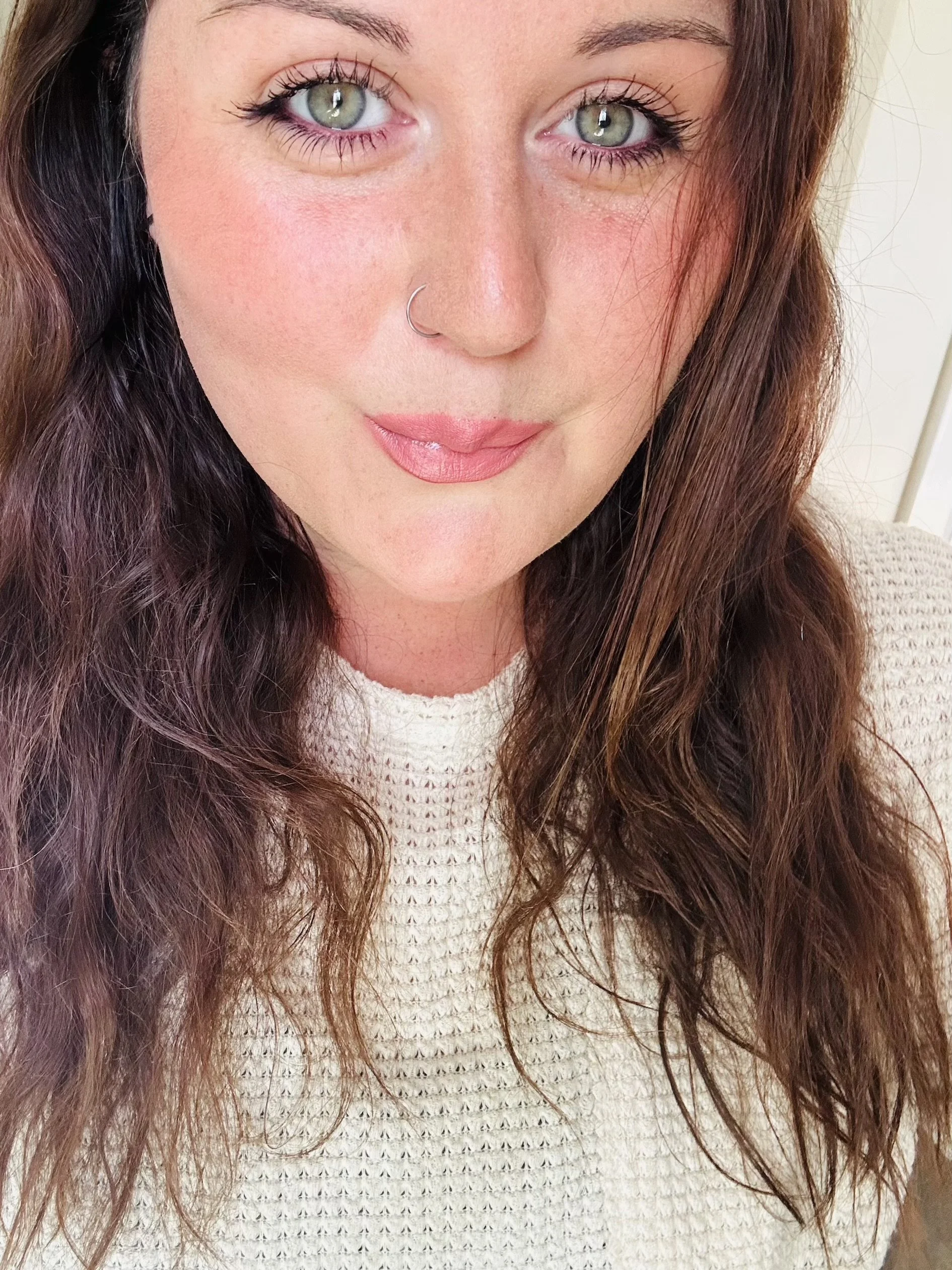
In my practice, I work with women who are tired of feeling anxious in relationships, questioning their worth, people-pleasing, or wondering why they keep finding themselves in the same painful patterns. Together, we explore the beliefs and experiences that shaped those patterns while building healthier ways of relating to yourself and the people around you.
My approach is warm, collaborative, and practical. I want therapy to be a place where you feel understood—not judged—and where you leave with tools you can actually use in your everyday life.
I provide online therapy for adults throughout Tennessee and specialize in anxiety, trauma, relationship concerns, self-worth, and attachment-related challenges. Whether you're navigating a difficult relationship, healing from past experiences, or simply wanting to understand yourself on a deeper level, you don't have to figure it out alone.
Healing doesn't mean becoming a completely different person. It means finally understanding yourself enough to stop fighting against who you are and start creating the life and relationships you truly want.
If you're ready to take that next step, I'd be honored to walk alongside you.
